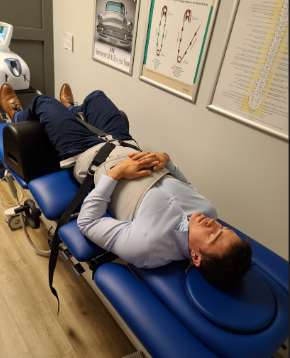
If back pain keeps you from standing comfortably, sleeping well, or getting through the day, spinal pressure may be part of the problem. Pain that travels into the hips, legs, shoulders, or arms can make simple movements feel harder than they should.
At Fayette Chiropractic Center, we help people at Peachtree City find a non-surgical path for disc-related discomfort, nerve irritation, and stubborn spinal tension. If you have tried rest and still feel stuck, we can evaluate your symptoms and talk through whether spinal decompression fits your care goals.
Spinal decompression is often considered when symptoms suggest the spine needs gentle unloading rather than more forceful movement. The goal is to reduce pressure across irritated discs and surrounding structures so your body can move with less strain.
Fayette Chiropractic Center uses this approach for people dealing with pain patterns that linger, travel, or return again and again. It is often a good fit when daily tasks, sitting, bending, or standing for long periods make symptoms flare.
Spinal decompression is a controlled, gentle treatment designed to create space along the spine. That space may help reduce pressure on discs and calm irritated nerve pathways. For many people, that means less pinching, less guarding, and better tolerance for normal movement.
At Fayette Chiropractic Center, we look at your posture, symptoms, and movement patterns before recommending a plan. We do not treat decompression as a stand-alone fix. It is part of a care process that may also include chiropractic adjustments, corrective exercises, and other supportive services based on what your body needs.
Gentle traction can reduce compression along affected spinal segments, which may ease pain tied to disc irritation.
When pressure around irritated nerves decreases, symptoms like tingling or radiating pain may become easier to manage.
With less guarding, you may find it easier to sit, stand, or walk for longer stretches without a strong flare-up.
When you come to Fayette Chiropractic Center, the first step is a conversation about what you feel, when it started, and what makes it better or worse. That detail matters because spinal decompression should match the source of the discomfort, not just the location of the pain.
We review your health history and current symptoms, then explain whether decompression is appropriate for your case. If it is, we outline what the visits may look like and how the care plan can be adjusted as your body responds.
Spinal decompression sessions are designed to be calm and measured. You will be positioned so the spine can be gently unloaded in a way that targets the involved area. Many patients find the process relaxing, while others simply appreciate that it feels controlled and non-forceful.
We explain each part before we begin and check in about how you feel during care. If your symptoms change over time, we can adjust the plan so the treatment stays aligned with your comfort and progress.
Spinal decompression is often discussed for people with disc-related pain, nerve irritation, and recurring back or neck symptoms that have not improved enough on their own. It can be especially helpful when the problem feels mechanical, meaning certain movements or positions clearly trigger it.
At Fayette Chiropractic Center, we also consider your broader needs. If your pain pattern is tied to posture, repetitive strain, old injury, or ongoing spinal stress, we may combine decompression with other chiropractic services to support better long-term comfort.
No two patients arrive with the same pain pattern, so decompression care should not feel generic. Some people need a short series of visits focused on easing acute pressure. Others benefit from a steadier plan that gives irritated tissues time to settle and respond.
We may suggest decompression alongside other services offered at the clinic, depending on the findings from your visit. That can include chiropractic adjustments, corrective exercises, or supportive care for muscle and nerve-related discomfort.
What you do between visits matters. Small daily choices can either calm irritated spinal tissues or keep them under pressure. We often talk with patients about the positions, movements, and routines that seem to trigger symptoms so the plan is more practical.
If decompression is part of your care, it helps to pay attention to how your body reacts after sitting, bending, lifting, or looking down for long periods. That feedback can guide both treatment timing and home habits.
It is commonly considered for disc-related back pain, neck pain, sciatica, and symptoms that seem tied to spinal pressure or nerve irritation.
No. Your experience depends on the area being treated, your comfort level, and how your body responds to the gentle unloading process.
Yes. It is often combined with chiropractic adjustments, corrective exercises, or other supportive care when that matches your needs.
The best way is to have your symptoms evaluated. Pain that worsens with sitting, bending, or spinal pressure may point toward decompression as an option.
If your pain changes, spreads, or starts affecting new areas, let us know during your visit so the care plan can be reviewed.
It may help when everyday movement seems to have irritated the spine, especially if the discomfort feels disc-related or nerve-related.
If you are tired of living with back or neck pain that keeps coming back, spinal decompression may be worth discussing. Fayette Chiropractic Center serves patients from Peachtree City with care that focuses on the source of the pain and the way it affects your day.
To ask about an appointment, call +17704612225, email DrKatz@fayettechiropractic.com, or visit us at 106 Governors Square, Peachtree City, GA 30269. We are open Wednesday from 10:00 to 18:00, Friday from 13:30 to 18:00, and Sunday from 10:00 to 18:00.

Take The Next Step
Tell us what you are feeling and how long it has been going on. We will help you explore the right chiropractic and wellness services for your goals, whether you need pain relief, improved movement, or support after an injury.